


When It’s Not Just an Itch: Recognizing Vulvar...
We are excited to see so many of you join our FMEP courses. Several of...
0

We are excited to see so many of you join our FMEP courses. Several of you have requested we continue to post more practice SAMPs, so here you go!
Just a reminder… pay attention to the questions. Here are our general tips one more time:
1. Pay attention to the questions. Look carefully at how many items you are being asked to list. If the question asks for five items, you will not get more marks if you list eight items; the examiner will look at the first five and allocate marks only for the first five answers so be careful. On a SAMP, if it is not clearly stated how many items you should list, look at the amount of points/marks being allocated for the question to get an idea of how many answers the examiner may be anticipating you write down.
2. Do not write lengthy answers. Most questions can be answered in 10 words or less!
3. Be specific when writing down investigations (hemoglobin instead of CBC; CT abdomen instead of CT).
4. Remember that trade names and generic names are both acceptable when writing down medications.
5. For more helpful tips, you can refer to CCFP’s SAMP instructions by clicking here.
SAMP
(5 points)
1. Which of the following lifestyle modifications has the strongest evidence for reducing cardiovascular risk in adults with hypertension? (1 point)
2. According to WHO guidelines, what is the recommended daily sodium intake for adults? (1 point)
3. In which group is pharmacologic treatment recommended even if systolic BP is between 130-139 mm Hg? (1 point)
4. What is the preferred initial pharmacologic strategy for most adults with hypertension requiring medication? (1 point)
5. Which of the following medications is not recommended as first-line therapy for hypertension in the absence of a specific indication? (1 point)

We are excited to see so many of you join our FMEP courses. Several of...
0
We are excited to see so many of you join our FMEP courses. Several of...
Comments Off on Severe Hypertriglyceridemia: Recognize the Red Flags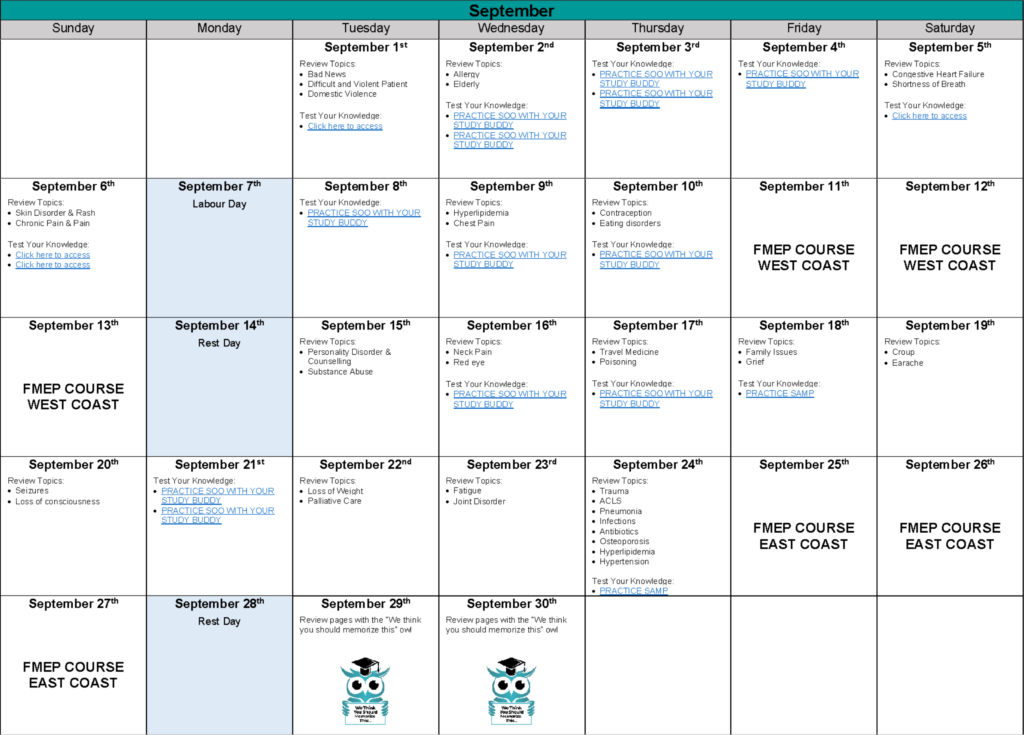
The CCFP exam is quickly approaching, and the FMEP Course is here to help! We...
Comments Off on Put Success on Your Calendar 📅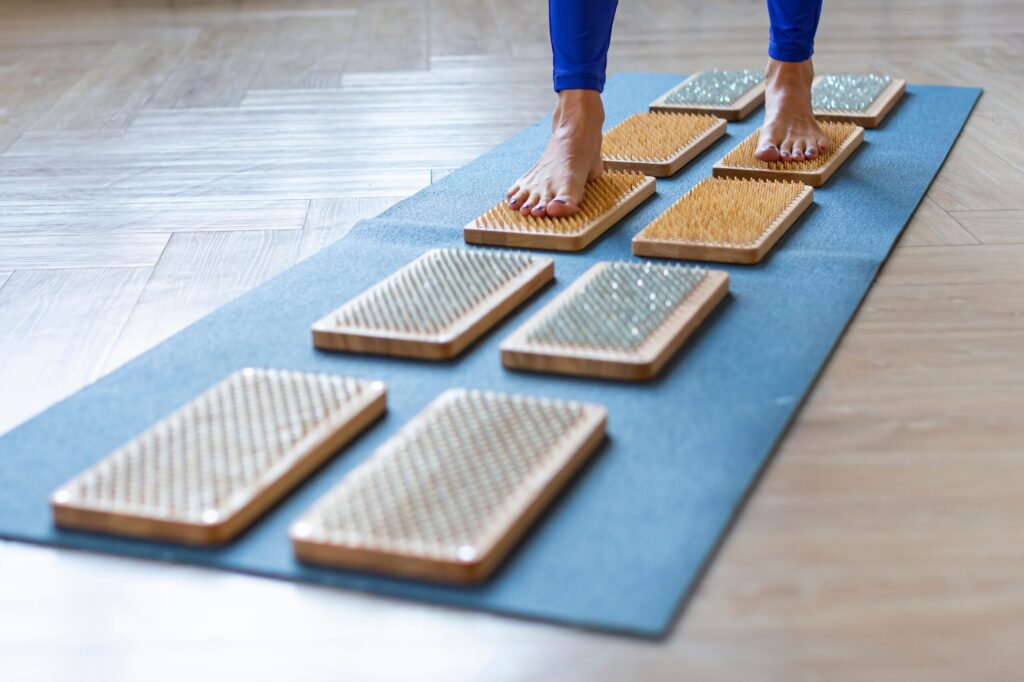
We are excited to see so many of you join our FMEP courses. Several of...
Comments Off on Burning Feet: Detecting Neuropathy Early